Aviation Switching Module – NSN 4920-01-250-2696 (AS-IS / Untested): Aircraft Switching Equipment for Parts or Evaluation
Aviation Switching Module – NSN 4920-01-250-2696 (AS-IS / Untested): Aircraft Switching Equipment for Parts or Evaluation
Blog Article
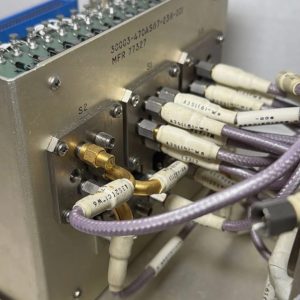
The Aviation Switching Module – NSN 4920-01-250-2696 (AS-IS / Untested) provides aviation maintenance organizations, military-surplus buyers, aerospace technicians, equipment restorers, and collectors with access to a catalog-identified switching component whose operational status has not been confirmed.
The Aircraft Switching Module can form part of a specialized aviation system, while the Aerospace Switching Module requires identification through labels, technical documentation, connector configuration, and application records.
Whether buyers search for an Aircraft Electrical Switching Module, Aviation Electrical Control Module, Aircraft Power Switching Module, Aerospace Electrical Control Unit, or Aircraft Signal Switching Module, technical identification should guide the purchase.
Accurate use of Aviation Control Module, Aircraft Electronic Switching System, Aerospace Switching Unit, and Aircraft Electrical Module terminology improves SEO without creating unsupported functional claims.
Overview of the Aviation Switching Module
The seller should provide clear photographs of every label, marking, connector, switch, control, mounting point, enclosure surface, and included accessory.
Military or aviation-surplus components may carry replacement numbers, superseded numbers, modification markings, or contract identifiers that assist research.
Understanding AS-IS and Untested Condition
Transparent AS-IS terms help specialists evaluate price and risk realistically.
Bench testing should begin only after technical documentation, circuit protection, connector identification, and safe power requirements are established.
Aircraft Circuit Selection Equipment
An Aircraft Switching Module may provide circuit selection, signal routing, controlled connection, isolation, mode selection, or interface functions within compatible aviation equipment.
Each visible feature should be photographed and described without assuming its electrical purpose.
Inspecting Aerospace Electrical Hardware
The enclosure should be inspected for dents, cracks, corrosion, missing screws, altered holes, broken seals, and unauthorized repairs.
Connectors should be examined for bent pins, pushed-back contacts, corrosion, contamination, cracked inserts, damaged threads, broken keyways, missing caps, and impact marks.
Aircraft Electrical Hardware Review
An Aircraft Electrical Switching Module should be inspected for overheated areas, burned insulation, damaged terminals, loose hardware, corrosion, moisture entry, broken controls, and signs of previous disassembly.
Methodical inspection protects the integrity and research value of the Aircraft Electrical Switching Module.
Aviation Module Interface Considerations
Similar-looking modules may use completely different pin assignments and operating voltages.
Control labels and switch legends can provide useful clues, but they should not be used as the only source of technical identification.
Aviation Power Circuit Management
Current capacity, voltage, duty cycle, contact type, protection requirements, and load characteristics should be confirmed before testing.
Accurate reporting protects buyers seeking an Aircraft Power Switching Module for repair, parts, or research.
Electrical Control Unit Restoration
An Aerospace Electrical Control Unit may combine switching, control, indication, interface, or distribution functions within one enclosed assembly.
Every repair should be photographed and recorded if the module is restored.
Signal Switching Module Inspection
The pinout and signal type should be confirmed before continuity or injection testing.
Original cable assemblies may add significant value when included.
Professional Aviation Module Evaluation
An Aviation Control Module should be treated as one component within a larger system rather than a standalone universal controller.
Compatibility should be verified through NSN, part number, manufacturer, connector layout, revision level, modification status, and equipment application.
Aircraft Test and Support Equipment
The unit can provide parts, reference information, display value, training opportunities, or a candidate for professional restoration.
Responsible educational use can extend the value of the Aircraft Switching Unit.
Choosing an Aerospace Power Distribution Module
Power distribution equipment may use switches, relays, terminals, bus structures, circuit protection, and control interfaces depending on design.
Additional mounting holes should not be drilled until the component application is established.
Choosing an Aircraft Electrical Control Unit
The inspection should distinguish cosmetic wear from damage that may affect electrical operation or mounting.
Unknown circuits should not receive voltage simply because a connector pin appears to be a power input.
Aviation Power Control Module Uses
Broad market keywords can support discovery while the technical description remains precise.
Warning labels should remain visible and legible.
Aviation Switching System Troubleshooting
An Aircraft Electronic Switching System may consist of multiple modules, harnesses, control panels, relays, indicators, power sources, and associated equipment.
A replacement AS-IS unit may provide useful comparative parts but should not be installed without evaluation.
Long-Term Storage of Aircraft Electronics
Proper storage helps preserve the Aerospace Switching Unit for testing, restoration, or collection.
Original packaging should receive additional protection rather than being used as the only shipping container.
Commercial Inspection of an Electrical Module
A buyer seeking an operational replacement has different needs from a collector, technical school, parts dealer, or restoration specialist.
Unknown information should remain clearly identified as unknown.
Aerospace Module Pre-Purchase Inspection
A pre-purchase review should confirm the NSN, manufacturer, part number, serial number, markings, enclosure condition, connectors, switches, included get more info accessories, storage history, modification status, and known application.
- Resolve identity, configuration, application, and package-completeness questions before payment.
- Do not interpret clean appearance, smooth switch movement, or intact labels as proof of electrical operation.
- Inspect and photograph the module immediately after delivery before cleaning, opening, powering, wiring, modifying, or removing components.
Professional Bench Evaluation
A methodical process reduces the risk of damaging rare aviation equipment.
Test results should identify which circuits or functions were checked and which remain unknown.
Restoring the Aerospace Switching Module
Restoration should begin with condition documentation, careful cleaning, technical research, component identification, fault isolation, and repair planning.
A repaired module may still require system-level testing or additional qualification before installation.
Aviation Switching Module Conclusion
For the right purchaser, the unit can offer a useful foundation for technical research, controlled troubleshooting, component recovery, or legacy-equipment restoration.
An experienced aviation-electronics technician should assess the module before it is powered, installed, or connected to other equipment.
Whether the item is purchased for restoration, training, parts recovery, display, testing, inventory, or professional repair, transparent information and controlled handling provide the strongest foundation.
With complete evaluation and continued care, the Aviation Switching Module – NSN 4920-01-250-2696 (AS-IS / Untested) can deliver a professional combination of restoration potential, component value, technical interest, and aerospace-equipment relevance.
Report this page